ReceiptJar - Turn your receipt
- 4.3
- Rating
- 1.00M
- Installs
- Free
- Price

 Analysis by App-foxy
I approached ReceiptJar as a simple lifestyle app with one practical question in mind: can ordinary receipts become worthwhile without turning shopping into a chore? The answer is more nuanced than the cheerful store summary suggests. It is free to install, aimed at Everyone, and designed around the idea of getting some value from receipts you already have. That makes it interesting for regular shoppers, but only if you are comfortable with the effort involved in collecting and submitting them.
My overall impression is that this is best treated as a small, ongoing rewards habit rather than a serious income source. I would not change my shopping routine just to use it. I would, however, consider it useful for receipts that would otherwise go straight into the recycling bin, especially when I can submit them during a quiet moment. The app comes from The U Group & Co and sits in the lifestyle category, where its appeal depends less on entertainment and more on whether its routine fits naturally into your day.
How ReceiptJar fits into everyday spending
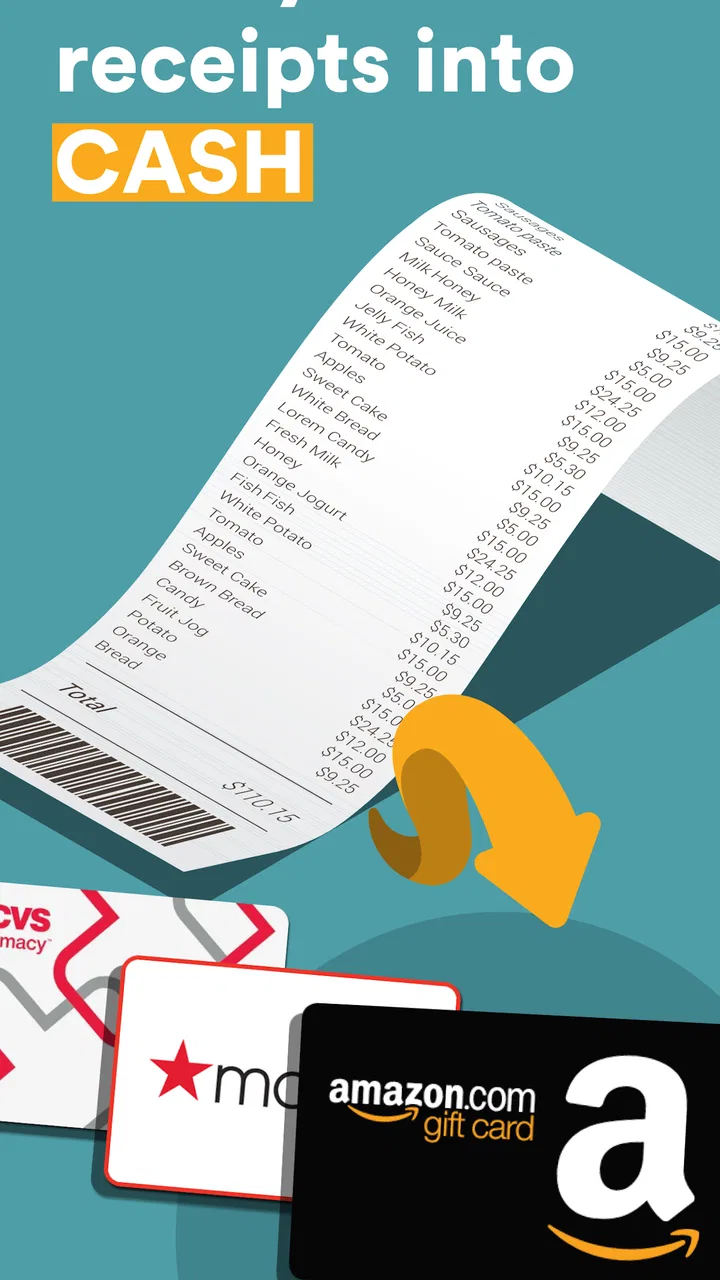
The basic concept is easy to understand. You make a purchase, keep the receipt, and use the app to turn that receipt into a potential reward opportunity. That simplicity is the strongest part of the idea. There is no need to learn a complex budgeting system or maintain a detailed shopping diary before you can see the point of it.
You May Also Like

 Blood Strike: 2.5 Anniversary
Blood Strike’s Loadouts Turn Every Drop Into a Tactical Gamble
A close look at Blood Strike’s custom loadouts: how fast access to signature weapons reshapes its battle royale rhythm, rewards preparation, and narrows the gap between fights.

 Pandora - Music & Podcasts
Pandora’s Music Is Easy to Start, but Harder to Recover
Pandora’s strength is its low-effort path from a seed to a station. Its weak spot is how much confidence it asks you to place in connection, setup, and quiet recovery.

 8 Ball Pool
 Is Built on Rivalries, Rematches, and Routine
A close look at the rivalries, rematches, shared routines, and unanswered safety questions that turn a quick pool match into a persistent mobile community.

 Samsung Music
’s Quiet Strength Is Playing What You Already Own
Its reach comes less from spectacle than from dependable access to a personal library. That simplicity is both the app’s strongest retention engine and its ceiling.

 AccuWeather: Weather Radar
AccuWeather Review: A Quick, Clear Forecast for Everyday Decisions
For everyday plans, the best forecast is the one you can understand quickly. AccuWeather makes rain timing, radar, and local conditions easy to act on, with a few trade-offs.

 Hill Climb Racing
Why Hill Climb Racing Still Turns Crashes Into One More Run
A tiny car, a bumpy hill and one more upgrade: Hill Climb Racing keeps resurfacing because its simple chaos makes every near-miss feel personal.
More From Our News Desk



In practice, the useful question is not whether the app can recognize a receipt in ideal conditions. It is whether you will remember to keep the paper or digital record, open the app later, and complete the submission while the receipt is still easy to read. That small chain of actions is where the experience becomes either convenient or irritating.
A realistic example is a weekly grocery trip. I might place the receipt in the same pocket of my wallet instead of leaving it at the checkout. Later, while waiting for a bus or sitting at home, I can open ReceiptJar and process it. This works because the app becomes part of an existing routine rather than an extra shopping destination. If I leave receipts scattered in bags, coat pockets, or the car, the habit quickly loses its appeal.
The app is also more suitable for people who make several ordinary purchases than for someone who rarely shops. A single receipt is unlikely to feel transformative. The value comes from consistency, and consistency requires a little organization. That is an important distinction: the app does not make spending itself more valuable; it gives you a reason to preserve records you already receive.
Its broad age rating makes the concept approachable for a wide audience, although younger users should still understand that this is connected to purchasing activity and rewards. I see it as a household utility rather than a game. The wording may make the process sound playful, but the real experience is closer to light receipt management with an incentive attached.
What the free access really means
The app is free, which removes the biggest barrier to trying it. You do not have to pay an entry fee or commit to a subscription simply to find out whether the workflow suits you. That matters because the value is personal: someone with a steady stream of receipts may find the routine worthwhile, while someone with very few receipts may decide that the effort is not justified.
Free access should not be confused with guaranteed financial value. The app gives you a way to pursue rewards from receipts, but a free download does not promise that every receipt will produce the same result or that the time spent will feel equally worthwhile for everyone. I appreciate that distinction because it prevents an unrealistic expectation that a receipt-scanning app can replace normal income.
I would also avoid judging it by the price of the download alone. The real cost is attention. You need to save receipts, open the app, capture or submit them correctly, and keep track of the process. For some users, that is a few easy seconds. For others, it is another task competing with messages, banking, and household administration.
My advice is to test it with receipts you already have rather than changing your buying behavior. Do not purchase something merely because you think it might improve your reward result. The sensible value calculation is simple: if the receipt would otherwise be discarded and the submission takes little effort, the experiment costs very little. If you find yourself making unnecessary trips or spending extra time correcting submissions, the benefit becomes less attractive.
Where the app delivers practical value
The first benefit is behavioral. ReceiptJar can encourage you to pay attention to receipts instead of treating them as disposable scraps. That can be useful when you need to check a purchase later, compare what you bought, or remember where a transaction happened. Even if the reward side is modest for your routine, the habit of keeping receipts briefly can make everyday spending easier to review.
The second benefit is convenience for people who dislike complicated rewards programs. Traditional loyalty systems often require store-specific accounts, membership cards, promotional rules, or careful tracking of eligible products. ReceiptJar presents a broader receipt-based approach, which can feel less fragmented than managing a separate program for every retailer.
That comparison has a trade-off. A store loyalty program may provide more direct savings when you regularly shop at that particular retailer, while a receipt app is more flexible across ordinary purchases. If your main goal is a lower grocery bill today, a retailer’s own discounts may be more useful. If your goal is to recover a little value from a variety of receipts after the purchase, this app may fit better.
A third benefit is that it can suit people who do not want to plan their shopping around promotions. You can continue making normal purchases and decide afterward whether the receipt is worth submitting. I find that less disruptive than apps that push users toward specific brands or limited-time offers, although the lower-pressure approach also means the rewards may feel less immediate or predictable.
There is a useful workflow hidden in that difference: separate shopping decisions from reward decisions. Buy what you actually need, place the receipt somewhere consistent, and process it during a scheduled weekly check. This prevents the app from influencing purchases while still giving it a fair chance to become useful.
Another practical tip is to inspect the receipt before submitting it. Creased paper, faint printing, glare, or a cropped image can turn a quick task into a frustrating one. Taking the photo on a flat surface with the full receipt visible is a small step, but it reduces avoidable mistakes. For digital receipts, keeping them in one email folder or note can make later submissions easier than searching through an entire inbox.
The friction that can change the calculation
The main weakness is that the app depends on your follow-through. Receipts are easy to lose, fade, or throw away, and the value of the service drops sharply when that happens. This is not a criticism of the idea so much as a reminder that the app cannot create useful records after the fact.
I also see a mental cost in repeatedly checking whether a receipt is ready to submit or whether an action needs attention. People who enjoy small administrative routines may find this satisfying. People who already feel overwhelmed by notifications and reward accounts may experience it as one more obligation.
Receipt-based services can also feel less rewarding when you compare them with an immediate coupon. A coupon reduces the price at checkout, while this kind of app asks you to complete a separate step after spending. That delay changes the emotional experience. You may understand the long-term appeal but still prefer a discount that is visible on the receipt immediately.
Privacy awareness is another sensible part of the workflow. Receipts can contain shopping details and transaction information, so I would read the app’s current permissions and privacy explanations before building a long-term habit. I would also avoid photographing unrelated documents by mistake and keep images limited to what the submission requires. This is not a reason to reject the app automatically, but it is a reason to use it deliberately.
Device compatibility is fairly approachable for an older Android phone because the minimum operating system is Android 6.0. The current version is 9.43.1, so I would still keep the app updated when possible. Updates can matter for camera handling, receipt recognition, and general stability, particularly on devices that have been running for several years.
The public response is encouraging without being a guarantee. ReceiptJar holds a 4.3 average from around 53 thousand ratings, with roughly 3.9 thousand written reviews, and it has passed one million installs. Those figures suggest that many people find the concept workable, but they do not tell me whether it will match your shopping pattern. A frequent shopper who submits consistently may have a very different experience from someone who opens it once every few months.
Who is most likely to get value from it
I think the strongest audience is people who already receive several receipts and are willing to create a simple capture habit. That includes households that want to make better use of routine purchases, shoppers who prefer a general receipt tool over multiple store accounts, and anyone who enjoys small rewards without paying for access.
It can also be useful for someone who wants a gentle prompt to keep purchase records for a short period. I would not use it as a full budgeting replacement, but it can sit alongside a spreadsheet, banking app, or household folder. The roles are different: a budgeting tool helps explain where money goes, while ReceiptJar focuses on extracting potential value from receipts.
People who shop online may need to think about their own receipt habits before deciding. If your purchases produce clear digital receipts that you can locate easily, the process may fit. If your receipts are spread across several inboxes, retailer accounts, and delivery systems, the organization required could outweigh the convenience. The best experience comes when your records are already accessible.
I would be cautious about recommending it to anyone expecting substantial earnings. The app’s free price makes trying it low-risk, but it does not turn ordinary shopping into a dependable job. If you need predictable savings, compare it with direct coupons, retailer loyalty discounts, cashback options, or a proper spending plan. Those alternatives may be better when certainty matters more than the possibility of a small return.
I would also skip it if you strongly dislike photographing documents or handling reward routines. No app can make a task feel effortless when the task itself is something you avoid. In that case, the right choice may be a simpler approach: use automatic bank categorization for spending awareness and ignore receipt rewards altogether.
My verdict after weighing the effort
ReceiptJar is a reasonable free lifestyle app for people who can turn receipt submission into a small weekly habit. I like that its central idea is straightforward and that it does not require me to redesign my shopping life. The best use is passive and disciplined: buy what you need, save the receipt, submit it when convenient, and judge the result by the time it takes rather than by exaggerated expectations.
The app is not the right choice for guaranteed savings, instant discounts, or serious income. A store loyalty program may win when you repeatedly shop at one retailer, and a budgeting app will provide deeper insight into your finances. ReceiptJar occupies a narrower space: it gives ordinary receipts a possible second purpose after the transaction is complete.
For me, that makes the free download worth trying, provided I set a limit on the effort. I would give it a short trial using receipts from normal shopping, keep the process organized, and decide whether the routine feels worthwhile. The best value comes from receipts you already have, not from spending more to chase a reward. If that approach sounds natural to you, ReceiptJar is an easy app to test. If even a few minutes of receipt management feels like a burden, skipping it is the more sensible decision.
Released on June 9, 2021, and developed by The U Group & Co, it has clearly found an audience over time. My recommendation is therefore positive but measured: try it for convenience and small extra value, not as a financial solution. Used with realistic expectations, it can make an otherwise forgettable receipt slightly more useful.
FAQs for ReceiptJar - Turn your receipt
01What is ReceiptJar and how does it work?
ReceiptJar is a mobile app that allows users to earn rewards by scanning their shopping receipts. Simply take a photo of your receipt through the app, and you'll accumulate points that can be redeemed for gift cards or other incentives. It's a straightforward way to make extra money from your everyday purchases.
02Is ReceiptJar available for both Android and iOS devices?
Yes, ReceiptJar is available for both Android and iOS platforms. You can download it from the Google Play Store for Android devices and the Apple App Store for iOS devices. This makes it accessible to a wide range of users who want to take advantage of its rewarding features.
03Are there any restrictions on the types of receipts I can upload?
ReceiptJar accepts most retail and grocery store receipts. However, there are some restrictions, such as the receipt needing to be clear and submitted within a specific time frame from the purchase date. Check the app's guidelines to ensure your receipt qualifies for points.
04How secure is my data with ReceiptJar?
ReceiptJar prioritizes user privacy and data security. The app employs encryption and other security measures to protect your personal information and transaction details. Always review the privacy policy to understand how your data is handled and ensure it aligns with your comfort level.
05Can I use ReceiptJar alongside other receipt scanning apps?
Yes, you can use ReceiptJar in conjunction with other receipt scanning apps. Many users find that using multiple apps maximizes their rewards from a single receipt. However, ensure each app's terms of service permit this usage to avoid any potential conflicts.
Pros
- Easy to use interface for quick navigation.
- Supports a wide variety of receipt types.
- Offers rewards for scanning receipts.
- Regular updates improve app functionality.
- Secure data storage for user privacy.
Cons
- Occasional glitches during receipt scanning.
- Limited reward options for some users.
- Requires constant internet connection.
- May drain battery with prolonged use.
- Limited customer support response time.

ReceiptJar - Turn your receipt
Gallery